
A Moment with Dr. Stillman
If you’ve ever felt like your appetite was “broken” - either eating too much, or unable to eat enough to hit your goals - then this post is for you.
Fun fact - arsenic was (not long ago) used by the poultry industry to increase profits.
Arsenic increases your appetite. It also causes diabetes. For decades, chickens were fed arsenic-based medications to fatten them up faster.
This was eventually banned.
We see profound changes in appetite in our patients when we balance minerals and metals.
Excessive levels of either can increase or decrease appetite. It depends on the case.
If you’re curious what your metal burden is, take our heavy metal burden quiz here.
Right now, we’re offering a Heavy Metals Diagnostic Challenge, which includes lab testing and a call to review your heavy metal results. Take the quiz to find out more.
Here’s a case study of a young girl whose appetite improved with copper and aluminum elimination.
Where We Started
Here’s what we found in our initial assessment:
Anxiety and emotional reactivity well beyond normal 6-year-old ups and downs. Her mom said, “She’s grumpy about the most ridiculous things all the time.”
Strong food aversions, especially to protein, with low body weight.
A nervous system that seemed stuck in fight-or-flight over small changes or separations.
HTMA showing a very high calcium-to-magnesium ratio.
Significant copper, aluminum, and cadmium - all abnormal in a young child.
Already tried: supplements with a nutritionist, raw food (including dairy), vitamin C.
What we saw in her testing:
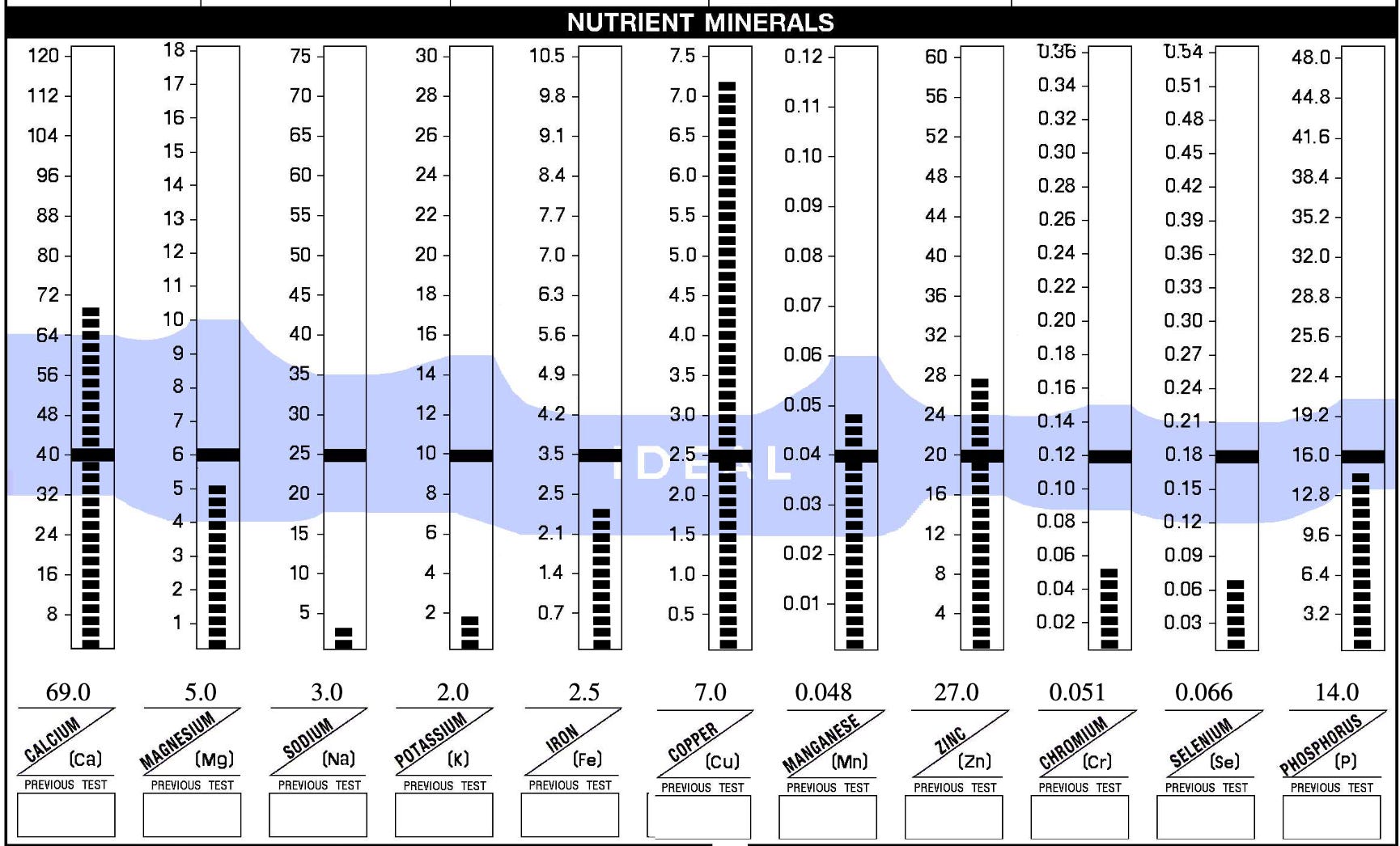
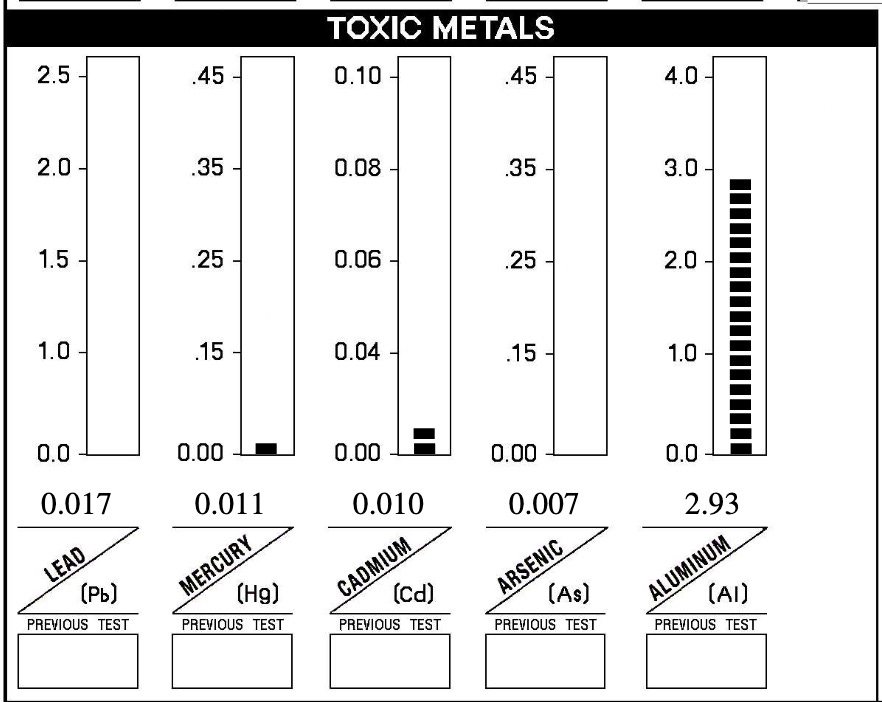
Her mother was constantly asking herself whether Avery was getting enough food. When kids aren’t getting enough or are strangely eating too much, we always look at metals and minerals.
What We Did Next
Here’s our initial plan:
Personalized nutritional supplements to eliminate excess copper and metals from her body
Vitamin C, which also helps eliminate copper
Sauna, which didn’t happen much for various reasons
A few months later, she’s doing much better.
Over the following months, her mom began reporting changes we could also see on her retests.
Where We Are Now
Here’s where Avery is now:
Anxiety is about 50% better (it flares sometimes, but overall it’s much better)
Fatigue dropped by 50%. By August, her mom said, “She doesn’t seem too tired to me anymore.”
Brain fog entirely resolved by October
On appetite: “Lately she’s been hungry and so that’s the first improvement I’ve ever seen.”
She tolerated blood draws calmly, which is a major improvement
She eliminated aluminum, copper, and cadmium showed on her latest HTMA
Here are her heavy metal eliminations:
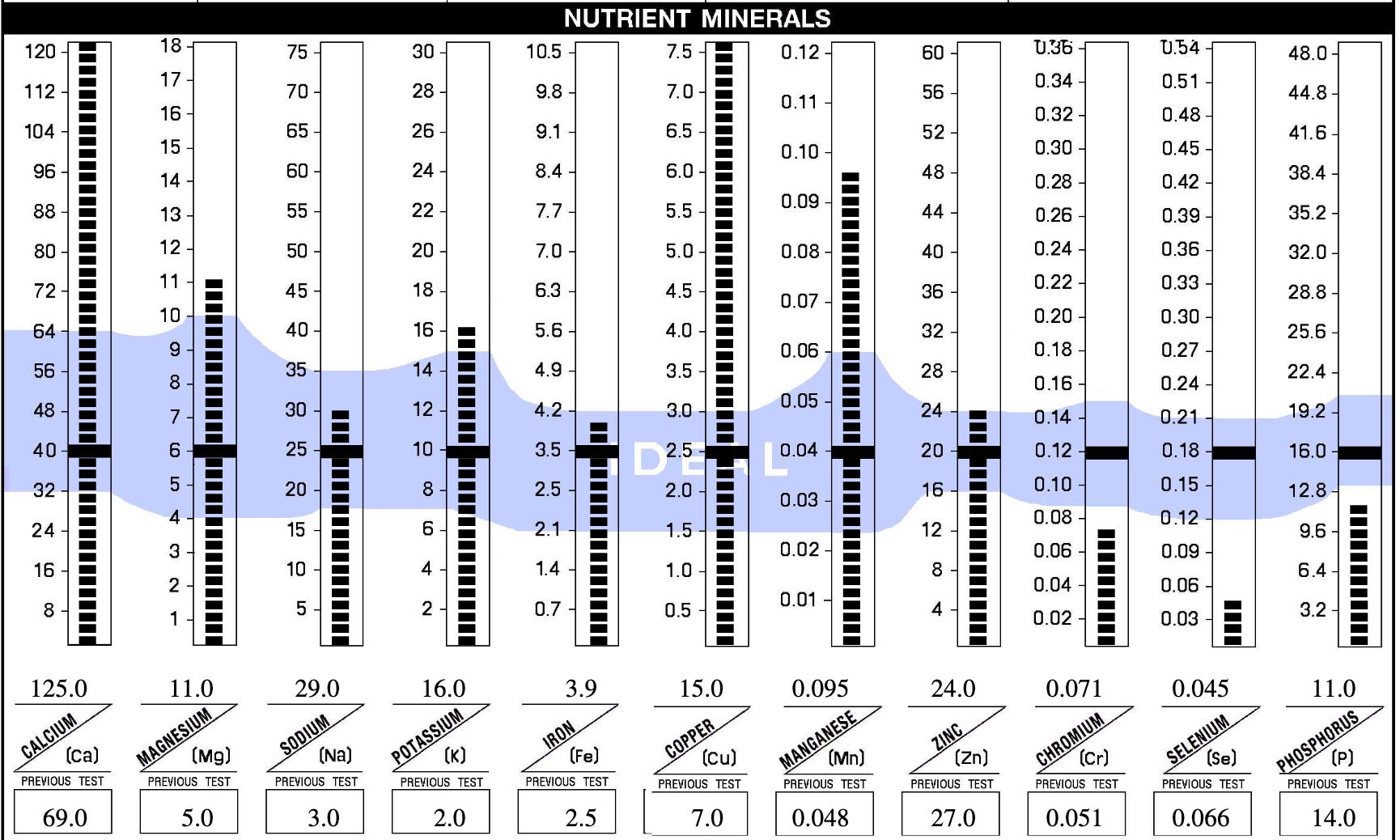
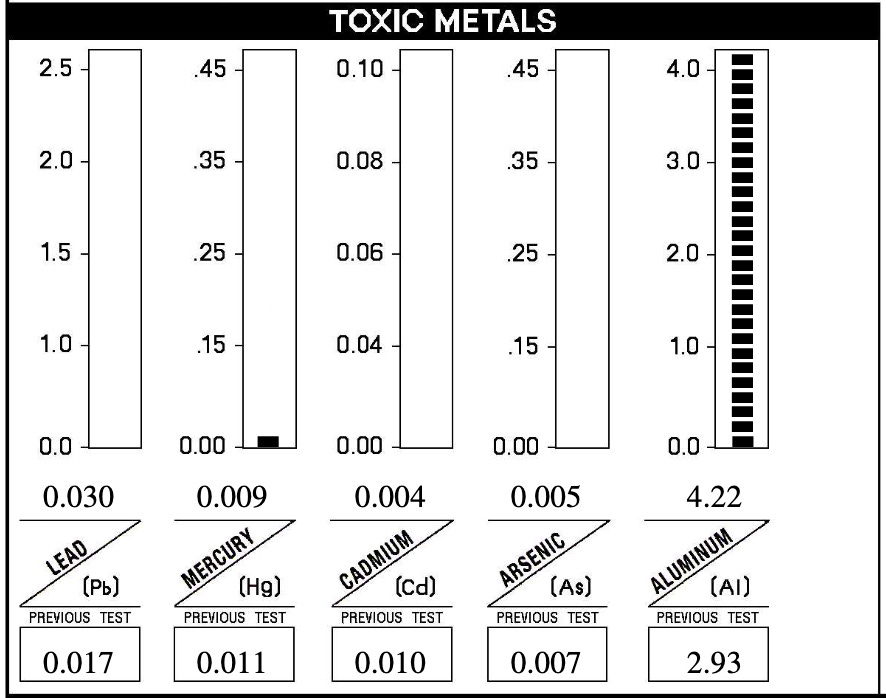
We’re still working on a variety of other issues, but overall she’s doing much better.
Kids often have remarkable metal burdens and they generally respond very well to our approach.
Things to Think About
“The natural healing force within each of us is the greatest force in getting well.”
– Hippocrates
Here are a few teaching points from this case:
When I hear mood is an issue, I think metals and minerals - they drive behavior in all life. This is one of the least appreciated aspects of their effects on living systems.
Rising metal levels in kids require screening for new sources, but usually our patients have carefully eliminated these things from their lives. I expect improvements in energy, mood, sleep, and stamina as metals are eliminated.
Kids often shift faster than adults, though symptoms can flare as metals are eliminated.
It’s not just about metals, but that’s where we usually start. We also address mold, infections, and more. In this case, metals were a huge part of the problem.
Your appetite isn’t random. There are hidden determinants of what you want to eat and how much you want to eat. That’s why many of our patients start eating more food, but lose weight. Their metabolisms speed up when they follow our program.
If you’re curious what your metal burden is, take our heavy metal burden quiz here.
Right now, we’re offering a Heavy Metals Diagnostic Challenge, which includes lab testing and a call to review your heavy metal results. Take the quiz to find out more.
This post is educational only. As always, discuss any changes with your own licensed clinician. Read our full disclaimers, disclosures, and our position on health freedom here.
Until next time, be well,
Dr. Stillman
What is the reason or mechanism for the suppressed appetite in people with metal toxicity? Thank you
Great topic. Numbers for readers: the average adult carries about 50 to 120 mg of copper, nearly two thirds in skeleton and muscle, and the daily value is 900 micrograms (NIH Office of Dietary Supplements). Small dose, big job.